Do you wake up with jaw pain or tension? Have you noticed that your teeth look more worn down, or has someone told you that you grind your teeth while sleeping?
These can be signs of bruxism, a condition involving involuntary teeth clenching or grinding. It can occur during the day or while sleeping and, when it happens frequently, may affect the teeth, jaw muscles, and jaw joint.
What is bruxism?
Bruxism is the involuntary habit of clenching, grinding, or keeping the teeth in contact for extended periods.
It can occur while you are awake, known as awake bruxism, or during sleep.
Many people do not realize they have bruxism until symptoms appear or someone tells them they grind their teeth at night.
Why do people grind or clench their teeth?
Bruxism can be associated with several different factors, including stress, anxiety, certain habits, sleep-related factors, and individual circumstances.
There is not one single cause that applies to every patient. Identifying the factors involved in each case is therefore important when determining how to manage the condition.
How can you tell if you have bruxism?
Some signs may appear during the day or when you wake up.
Pay attention if you experience:
- Jaw pain or tension.
- Headaches, particularly in the morning.
- Worn-down or flattened teeth.
- Increased tooth sensitivity.
- Small chips or fractures.
- Discomfort when chewing.
- Tired or tense jaw muscles.
- Grinding sounds during sleep reported by someone else.
Having one of these symptoms does not necessarily mean you have bruxism, but it may be a reason to schedule a dental evaluation.
What effects can bruxism have?
Frequent clenching or grinding can expose the teeth and the structures involved in chewing to repeated pressure.
Over time, this may contribute to tooth wear, sensitivity, fractures, and jaw discomfort.
Identifying bruxism early can therefore help protect the teeth and prevent the problem from progressing.
Can stress be related to bruxism?
For some people, stress and other emotional factors may be associated with teeth clenching or grinding.
However, bruxism can involve multiple contributing factors, so stress should not automatically be considered the only cause.
Understanding the factors involved in each individual case can help determine an appropriate approach.
How is bruxism treated?
Treatment depends on the cause, frequency, and individual characteristics of each patient.
In some cases, a dentist may recommend a dental night guard to help protect the teeth from the forces generated by clenching or grinding.
The dentist may also evaluate tooth wear, muscle or jaw discomfort, and other related factors.
A night guard does not necessarily eliminate the underlying cause of bruxism, but it can be part of a strategy to protect the teeth.
When should you see a dentist?
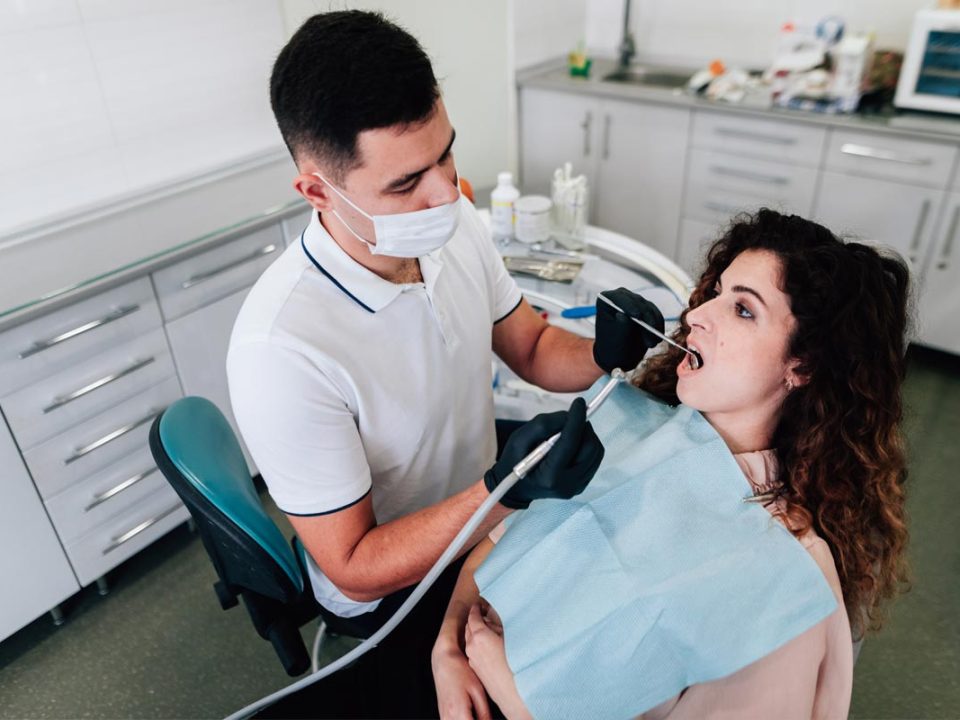
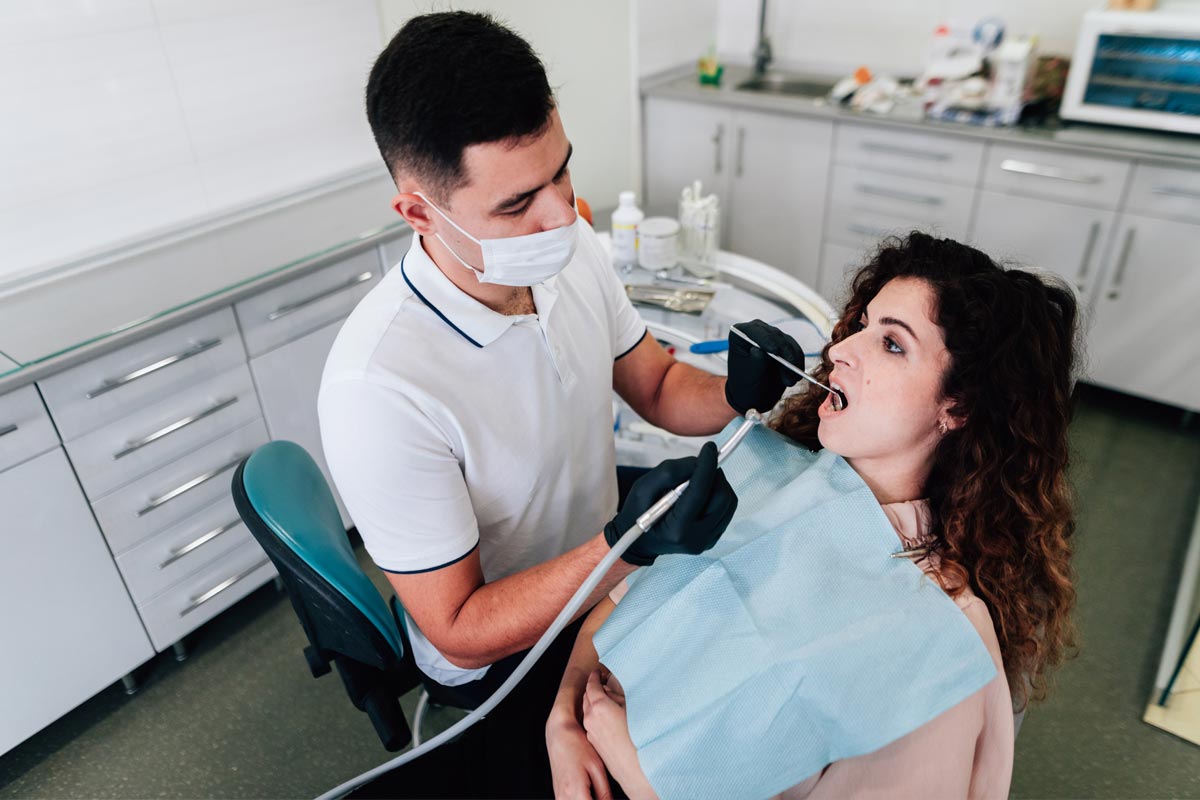
If you suspect that you grind or clench your teeth, experience frequent jaw discomfort, notice tooth wear, or someone has told you that you grind your teeth while sleeping, a dental evaluation is recommended.
Early detection allows your dentist to assess the condition of your teeth and determine what measures may help protect them.
At Dental Global
At Dental Global, Specialized Dental Center, we evaluate each patient’s individual condition to identify signs of tooth wear, sensitivity, and other issues associated with bruxism.
If you have noticed changes in your teeth or discomfort in your jaw, an evaluation can help determine what may be happening and what options are available to protect your oral health.
Dental Global, a Specialized Dental Center in Santo Domingo, Dominican Republic
📞 809-740-0112
🌐 www.dentalglobal.com.do
📍 Plaza Luperón, First Floor, Local 16, Av. Independencia, Santo Domingo, Dominican Republic