Although teeth are designed to withstand chewing for many years, they can gradually become worn over time. In some cases, mild wear can be part of the natural aging process. However, excessive tooth wear can affect sensitivity, appearance, and function.
Recognizing the causes and early warning signs can help you seek dental care before the problem continues to progress.
What does it mean when your teeth are worn down?
Tooth wear occurs when the surface of the teeth gradually loses part of its structure.
It can appear in different ways. Teeth may look shorter, have flatter edges, or develop small chips or fractures. Some people may also experience sensitivity when consuming cold, hot, or sweet foods and drinks.
Tooth wear is not always caused by one single factor. In many cases, several factors can contribute to it at the same time.
What are the main causes of tooth wear?
Bruxism and teeth grinding
One of the common causes of tooth wear is bruxism, which involves grinding or clenching the teeth, particularly during sleep.
Over time, repeated pressure can wear down the tooth surfaces and may also contribute to jaw discomfort.
Acidic foods and drinks
Frequent consumption of acidic foods and beverages can contribute to the erosion of tooth enamel. Soft drinks, energy drinks, citrus fruits, and other acidic foods may contribute to this process when consumed frequently.
Brushing too hard
Brushing your teeth is essential, but using excessive force or an improper technique can contribute to wear in certain areas of the teeth and may also contribute to gum recession.
Good oral hygiene does not mean brushing harder—it means brushing correctly.
Other habits and factors
Certain habits, conditions, and treatments may also contribute to tooth wear. This is why each case should be evaluated individually by a dental professional to determine what may be causing the problem.
How can you tell if your teeth are wearing down?
Some signs of tooth wear include:
- Teeth that appear shorter or flatter.
- Changes in the shape of the edges of the teeth.
- Increased sensitivity to cold, heat, or sweet foods.
- Small chips or fractures.
- Changes in the appearance of your teeth.
- Jaw discomfort.
- Jaw soreness or fatigue when waking up, particularly when bruxism is present.
These signs do not necessarily mean that you have severe tooth wear, but they are good reasons to schedule a dental evaluation.
Can tooth wear be stopped?
Treatment depends on the cause and the extent of the wear.
For some patients, the most important step is identifying and addressing the factor responsible for the wear. For example, when bruxism is involved, a dentist may recommend specific measures to help protect the teeth.
When tooth structure has already been lost, restorative treatment may be considered depending on the individual situation.
The earlier tooth wear is identified, the better the opportunity to manage its progression and protect your teeth.
When should you see a dentist?
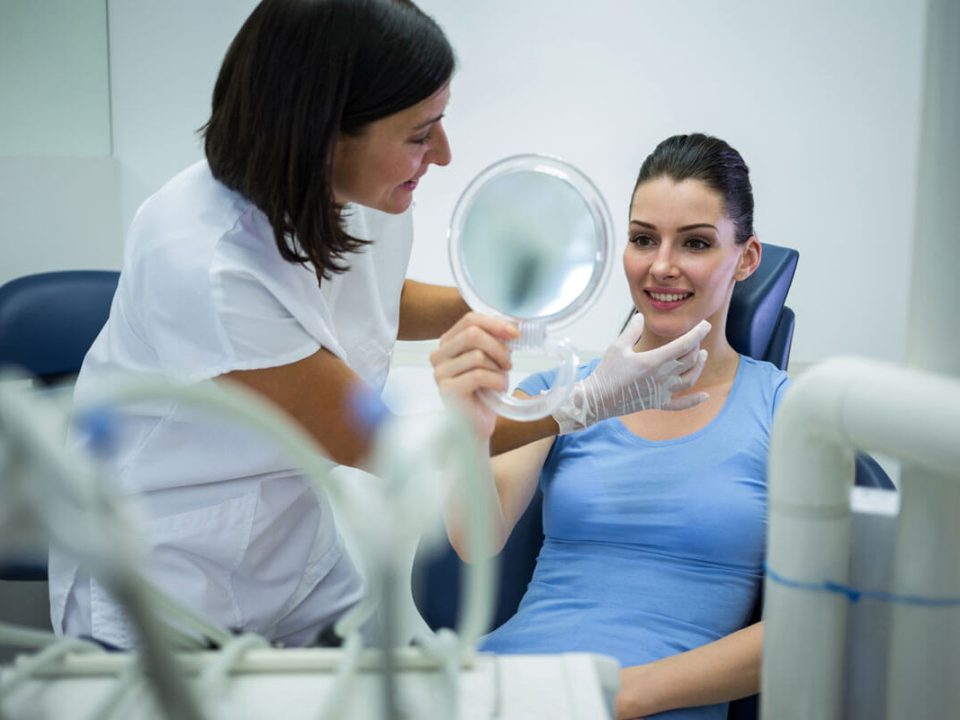
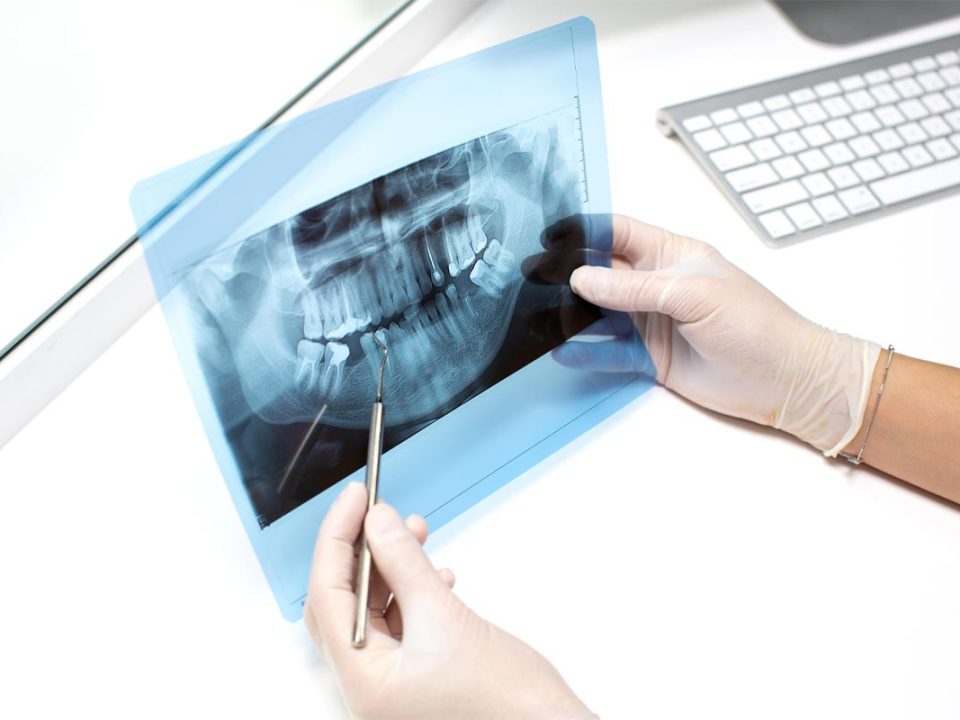
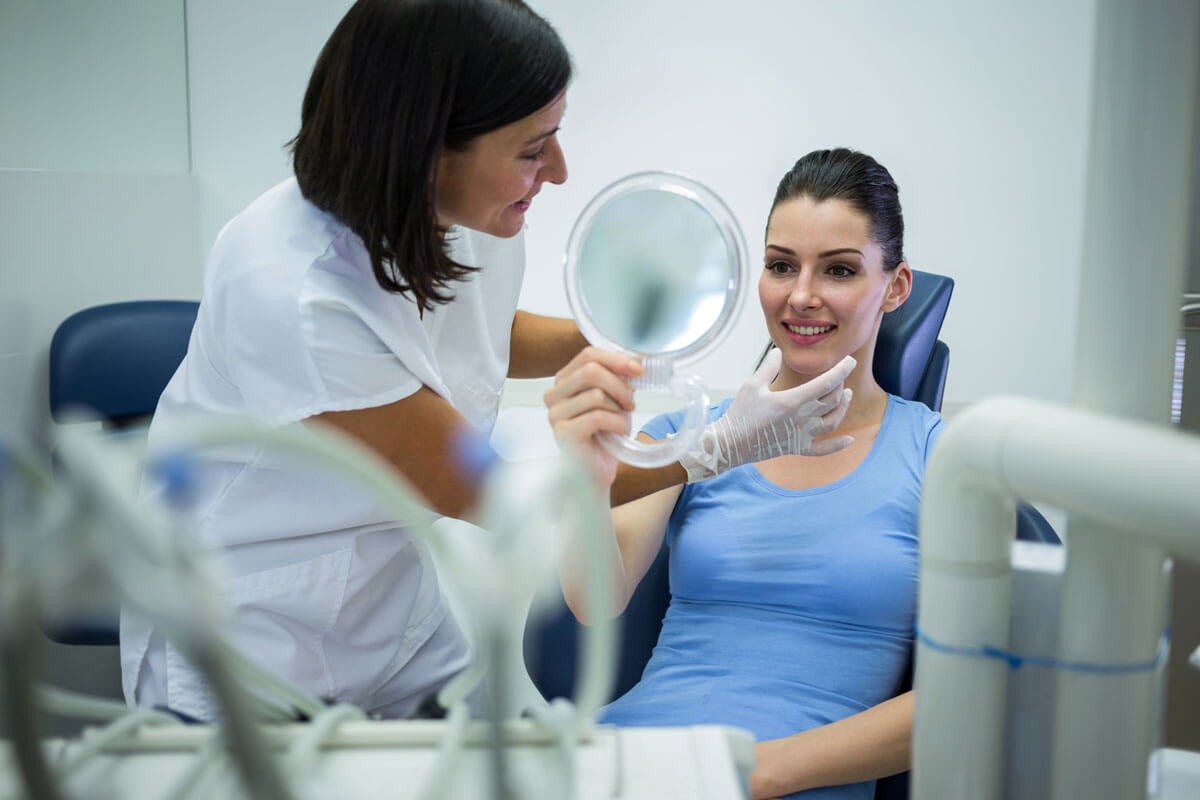
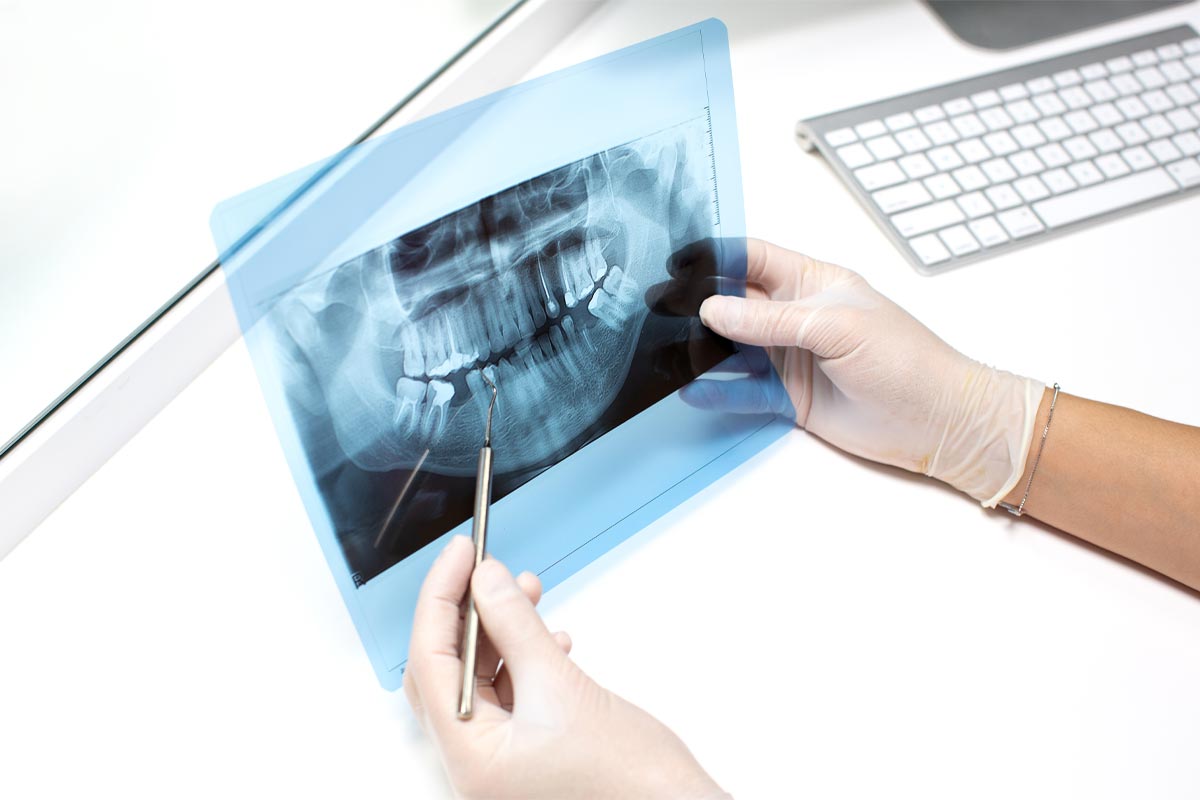
You should not wait until you experience pain before seeking dental care. If you notice changes in the shape of your teeth, frequent sensitivity, chips, fractures, or signs that you may be clenching or grinding your teeth, a dental evaluation is recommended.
A proper evaluation can help determine the cause of the wear and identify the most appropriate treatment options.
At Dental Global
At Dental Global, Specialized Dental Center, our dental team can evaluate the condition of your teeth and guide you through treatment options based on your individual needs.
Taking care of your teeth also means paying attention to small changes before they become bigger problems.
Dental Global, a Specialized Dental Center in Santo Domingo, Dominican Republic
📞 809-740-0112
🌐 www.dentalglobal.com.do
📍 Plaza Luperón, First Floor, Local 16, Av. Independencia, Santo Domingo, Dominican Republic